Free Shipping on Olive Oils & Orders $99+ — Low $10 Flat-Rate Shipping

From Ancient Roman Amphorae to Modern Masterpieces: The Eternal Olive Oil Legacy of Écija

Discover how the golden liquid of Andalusia flowed from the banks of the Genil River to feed the Roman Empire—and how modern master millers continue this millennia-old tradition today.
As someone who was born in La Luisiana and now lives and works in the heart of Écija, Seville, there is nothing that brings me more joy than sharing the rich culture, deep-rooted traditions, and exquisite gastronomy of my homeland with the world. Running The Spanish Food Store is much more than e-commerce; it is a passion project dedicated to exporting the authentic flavors, history, and beauty of our land straight to your kitchen in the United States. And when we talk about the soul of our region, one element stands above all others: our liquid gold—extra virgin olive oil.
Écija Today: The City of Towers and Sun
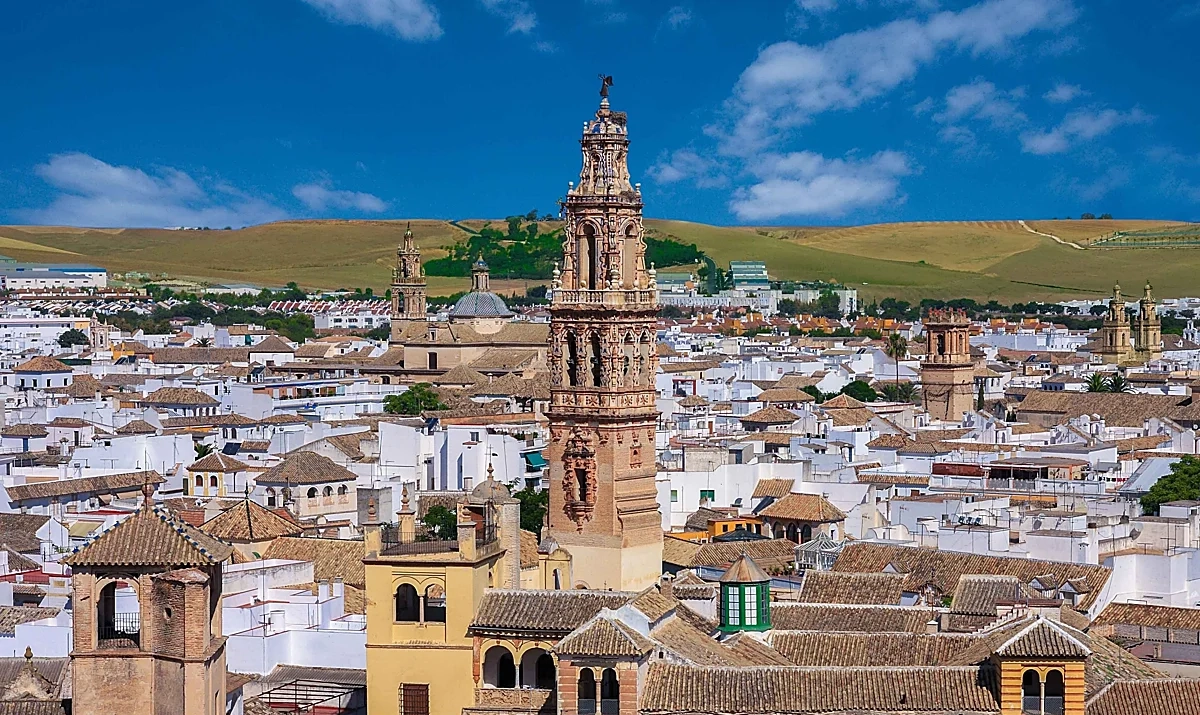
Today, Écija is known across Andalusia as La Ciudad del Sol (The City of the Sun) and La Ciudad de las Torres due to its stunning baroque bell towers that pierce the Andalusian sky. Situated in a privileged geographic location in the countryside of Seville along the banks of the Genil River, Écija boasts an extraordinary architectural and cultural heritage that reflects centuries of civilization. But behind its majestic palaces and historic streets lies an agricultural heartbeat that has defined the region since ancient times: the olive grove.
The Roman Empire’s Fuel: The Route of Amphorae & Dressel 20
Long before modern logistics, refrigerated trucks, or digital tracking, Écija—known in Roman times as Colonia Augusta Firma Astigi—was an international trading powerhouse. During the height of the Roman Empire, the olive oil produced in this fertile basin was so prized that it became the main fuel and culinary lifeblood of Rome itself.
This incredible history is proven by archaeology. Along the banks of the Genil River (Singilis) and Guadalquivir (Baetis), local artisans operated specialized pottery kilns (figlinae) crafting spherical terracotta jars known as Dressel 20 amphorae, capable of holding around 70 liters of liquid gold.
Once filled, these heavy amphorae were loaded onto river barges at local docks in Écija, sailed down the Genil to the Guadalquivir River toward Seville, and shipped across the Mediterranean Sea straight to the imperial port of Ostia in Rome.
Ancient Traceability & The Monte Testaccio in Rome
How do we know with absolute certainty that this oil came from Écija? Through ancient Roman regulatory seals!
Before firing the clay, ancient potters stamped the amphorae with their personal or estate seals. Once filled, Roman tax inspectors added tituli picti—hand-painted inscriptions indicating the exact weight of the jar, the weight of the oil, the merchant’s name, and official customs stamps. It was literally the ancient Roman precursor to modern batch tracking and quality certification!
Because clay is porous, the oil eventually made the amphorae rancid, preventing them from being reused. Once emptied in Roman warehouses, the jars were systematically broken and stacked in regulated disposal sites. Today, this practice forms Monte Testaccio in Rome—an artificial hill over 100 feet high made entirely of an estimated 53 million broken olive oil amphorae. Archaeological excavations show that over 80% of these amphorae originated from the Baetica province, specifically from the olive groves and kilns of the Genil river basin around Écija.
Carrying the Legacy Forward: Modern Mills & What’s Coming Soon
That ancient agricultural vocation never left our soil. Today, the tradition of producing world-class extra virgin olive oil continues with cutting-edge expertise while honoring ancestral roots.
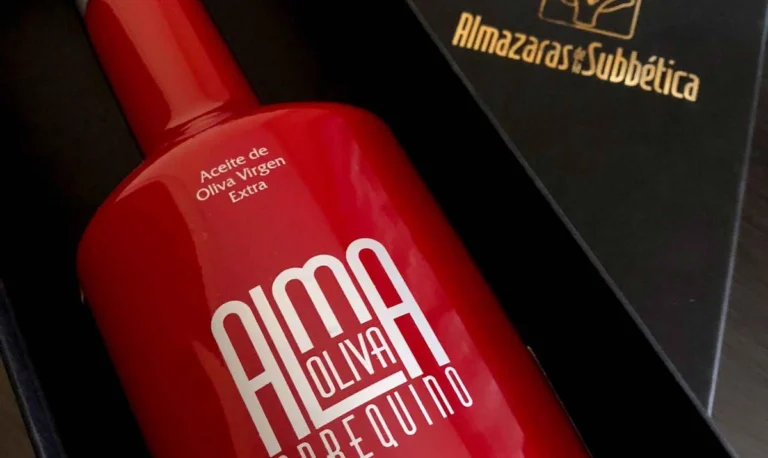
While we are currently preparing an exclusive selection of local Écija olive oils (such as Molino del Genil) that will be arriving at our store very soon, you can already experience the top tier of this region’s historical heritage. Right now, we proudly offer world-renowned Extra Virgin Olive Oils from nearby DOP Priego de Córdoba, produced by the world-award-winning Almazaras de la Subbética.
Originating from the same surrounding mountain valleys and river basins that supplied Rome thousands of years ago, these oils—like Rincón de la Subbética, Parqueoliva Serie Oro, and Almaoliva—represent the absolute pinnacle of Andalusian craftsmanship.
The deep connection between the olive tree and the people of our region remains unbreakable, turning every drop into a living bridge between our glorious Roman past and your modern dining table.
Bring a Taste of History Home
Whether you are exploring our current world-champion Andalusian collection or waiting for our upcoming Écija pressings, when you open a bottle from The Spanish Food Store, you are tasting over two thousand years of history, sunlight, and passion.
👉 [Explore our authentic Andalusian olive oil collection today]

Jose A Caro
From La Luisiana, living in Écija, Sevilla, Spain. Passionate about family, business, travel, sports, music, and food. I’ve been working in international trade and the U.S. market for 15 years, and I’m enjoying everything I love more and more every day!